"Every gram stored, every acre restored"
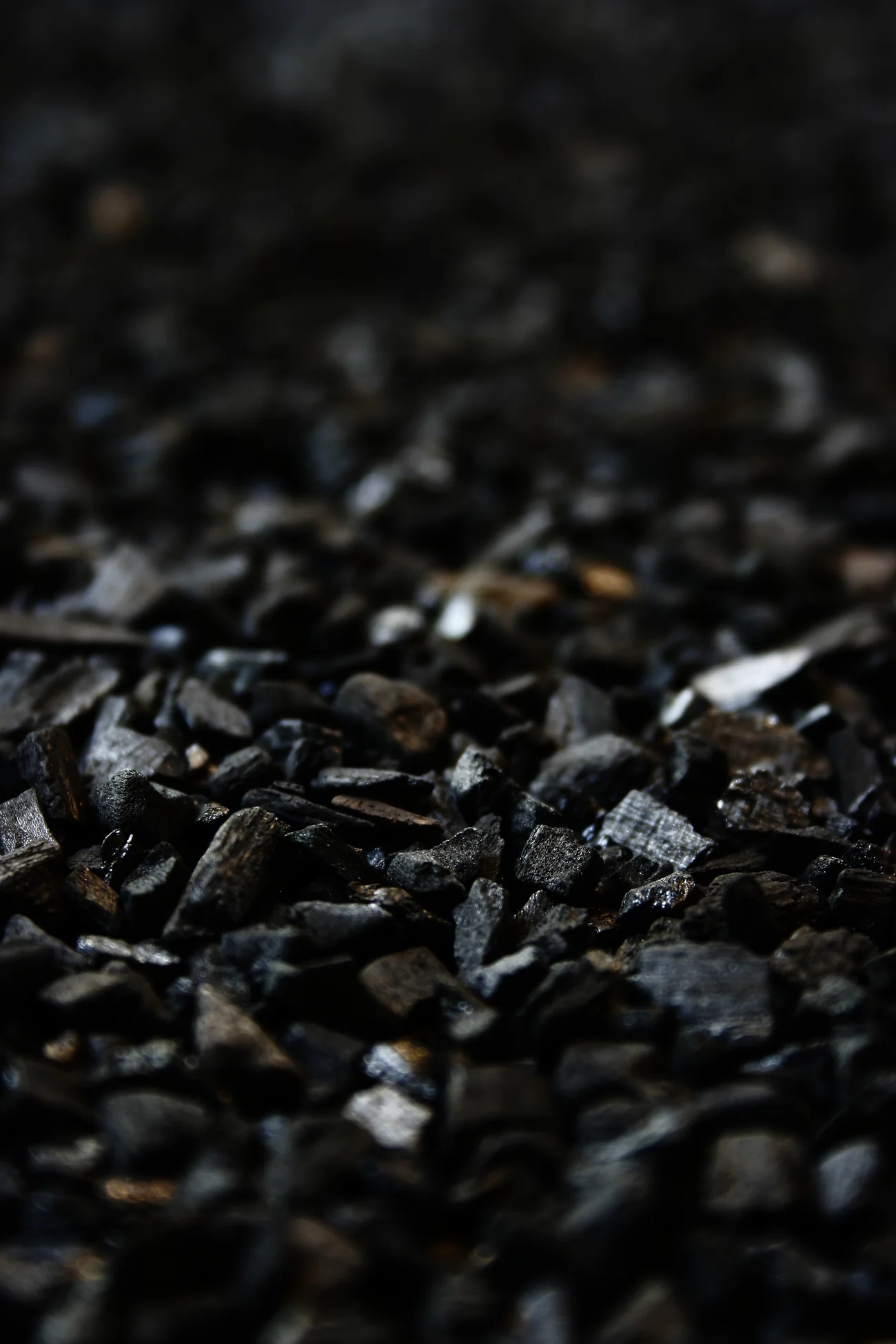
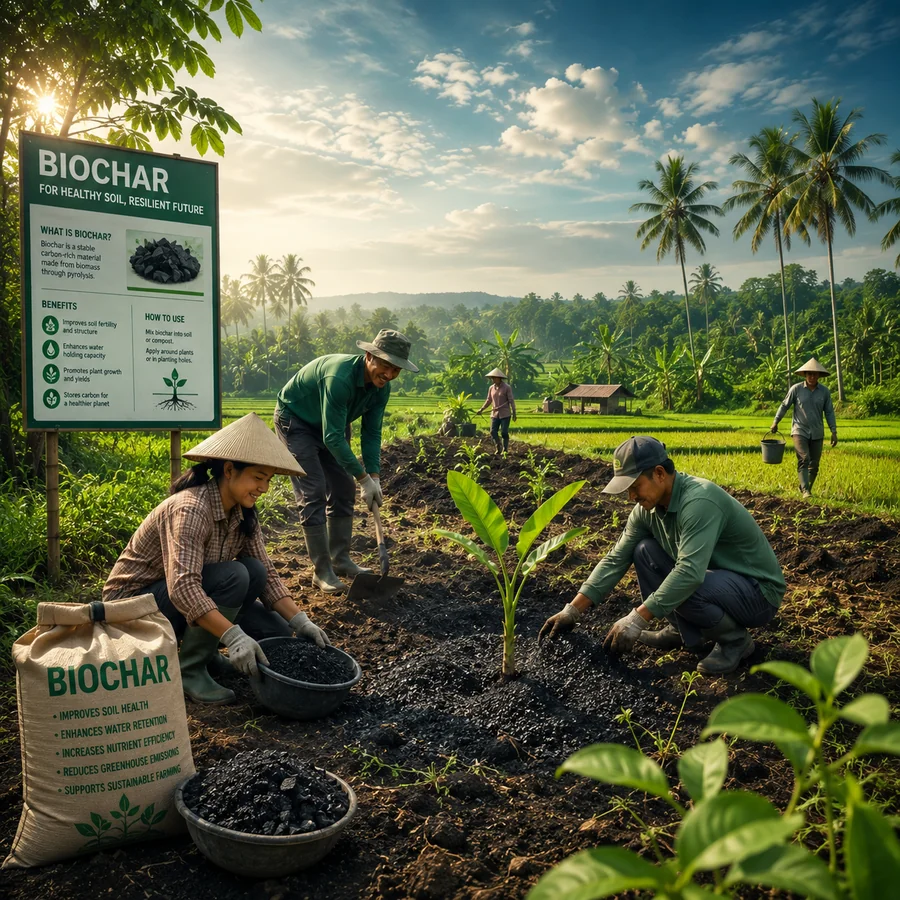
Biochar converts biomass into stable carbon stored in soil for centuries — enriching fertility, retaining moisture and cutting agricultural emissions. Our mobile apps and dashboards make every biochar carbon project measurable, traceable and verifiable.
Biochar boosts carbon sequestration by converting biomass into stable carbon that stays locked in soil for centuries. It enriches soil fertility, retains moisture, and reduces greenhouse-gas emissions from agriculture.
By generating verifiable carbon credits, biochar incentivises sustainable land management — enabling businesses to offset emissions while supporting climate-smart agriculture and soil regeneration.
Tailored for project developers and implementation partners, our platform supports end-to-end project management, transparent reporting and accurate carbon-benefit calculations — empowering scalable, verifiable and impactful biochar initiatives in the voluntary carbon market.
Log feedstock, production parameters and other details as they happen.
Auto-capture location data for traceability and verification.
Record data anytime, even without an internet connection.
Auto-calculate sequestration potential using verified methodologies.
Generate reports and visualise trends for better decisions.
Designed for users of all technical levels.
Your data stays safe, accessible and backed up.
Support climate goals through regenerative land use.
Simplify data collection and reporting for faster, hassle-free carbon-credit generation.
Automate data capture to reduce manual work and minimise errors.
Reliable, verifiable data for credible carbon-credit validation and audits.
Cut administrative overhead and ground costs across the project.
Support climate goals through sustainable biochar and regenerative land use.
Transparent evidence trails built for verifier scrutiny and registry requirements.
Verra’s biochar methodology VM0044 (v1.2) quantifies carbon removals from converting waste biomass into biochar — covering soil applications on crop and grassland, and non-soil uses such as biochar-amended concrete and building materials.
What it asks a project to monitor is specific: feedstock type, pyrolysis conditions, and how the biochar is finally incorporated. Production has to meet the IBI Biochar Testing Guidelines or the EBC Production Guidelines, and where both apply the stricter one governs.
Durability is argued with evidence rather than asserted: laboratory results, peer-reviewed research or a third-party product assessment such as a measured decay rate, for storage counted in centuries. We cover that argument in full in biochar permanence and durable carbon removal.
VM0044 is not the only route. Puro.earth runs its own biochar methodology with durability scoring, and Carbon Standards International runs the Artisan and Industrial C-Sink schemes on the EBC foundation. All of them rest on the same thing: a batch record that ties feedstock, production and application together.
Biochar is the stable carbon left when waste biomass is heated with little or no oxygen — pyrolysis. The carbon in that biomass would otherwise return to the atmosphere within a few years as it decomposes or burns; converted to biochar and put into soil, it resists decomposition for a period counted in centuries. That is what makes it a removal rather than an avoidance.
The main Verra route is VM0044, Methodology for Biochar Utilization in Soil and Non-Soil Applications. Puro.earth runs its own biochar methodology with durability scoring, and Carbon Standards International runs the Artisan and Industrial C-Sink schemes built on the European Biochar Certificate.
Feedstock type, pyrolysis conditions and how the biochar is incorporated — tied together batch by batch. Production must meet the IBI Biochar Testing Guidelines or the EBC Production Guidelines, and durability has to be evidenced with laboratory results, peer-reviewed research or a third-party assessment such as a decay rate.
An avoidance credit says an emission did not happen. A removal says carbon that was in the atmosphere is now somewhere else, and stays there. Biochar is a removal, which is why the evidence burden sits on production conditions and durability rather than on a counterfactual baseline.
For a demo, reach out to us — we'll show the app and dashboard with your own production data.
Why 100+ years of storage puts biochar in a different class from carbon that stands in a tree, and what that asks of the record.
7 min read →The evidence for biochar sits in feedstock and production data, recorded where there is often no connectivity.
7 min read →How a digital measurement workflow closes the data gap, from the first field measurement through to credit issuance.
6 min read →