
"Sow direct. Save water. Cut methane."
Sowing rice seed directly into the field — instead of transplanting into standing flood water — slashes water use, methane, and labour. We map DSR adoption from satellite sowing signatures and combine it with field data for credible rice carbon.
Conventional rice is transplanted into puddled, continuously flooded fields — the ideal conditions for methane-producing bacteria. Direct Seeded Rice removes that prolonged flooding, cutting emissions and water use while keeping yields comparable.
It also reduces the intense labour of transplanting — making it attractive to farmers as well as the climate.
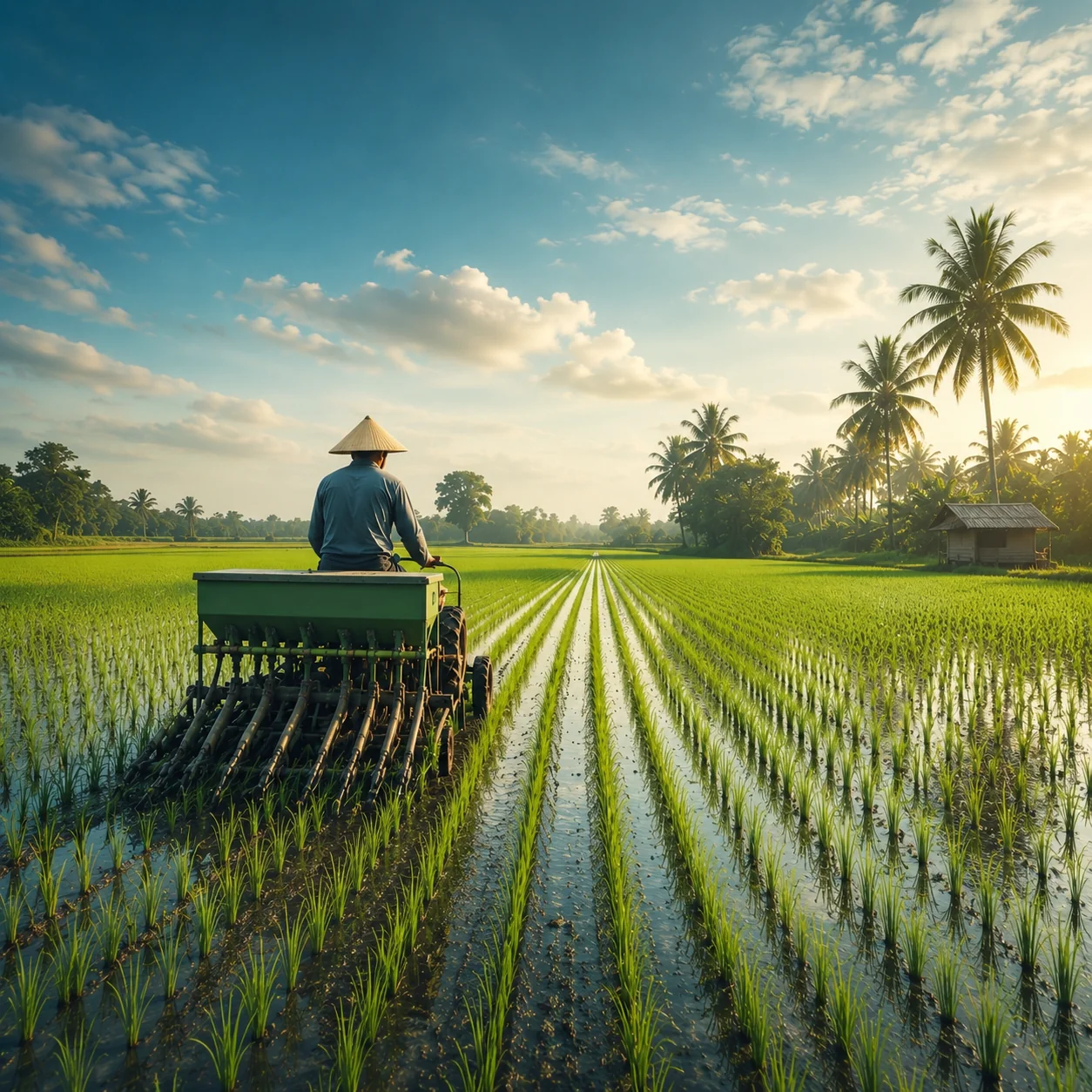
Seedlings raised in nurseries, then transplanted into flooded, puddled fields kept under standing water for weeks — high water use, high methane, labour-intensive.
Seed sown directly into the field with minimal standing water — ~30% less methane, 30–40% less water, lower labour and cost, with comparable yields.
Identify DSR sowing windows from spectral signatures in time-series satellite imagery.
Measure reduced flooded area against the puddled-transplant baseline.
Combine methane and water savings into per-plot emission reductions.
Validate against field enrolment data for audit-ready confidence.
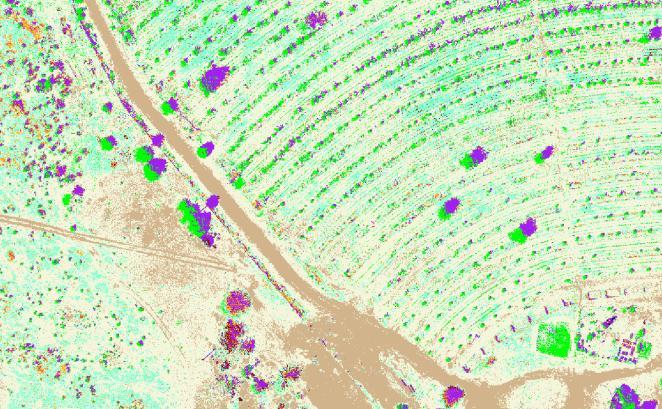
Our cloud satellite-analytics engine classifies sowing patterns and flooded extent across whole landscapes — using multiple spectral indices plus a customizable index option.
We'll help you quantify Direct Seeded Rice adoption and savings, plot by plot.
One acts at sowing, the other all season. What each asks of the farmer, what the numbers really compare, and what a verifier needs to see.
7 min read →AWD, direct seeded rice and the Gold Standard DREAM methodology — how flooded-paddy methane is cut, and how the reduction is proven plot by plot.
9 min read →Boundaries that do not match the ground, photographs without provenance, duplicate enrolments — and what prevents each of them.
7 min read →